

Ventilation Filter


The company's technical strength, sophisticated equipment and service-oriented can provide you with high-quality products, services and perfect solutions in the high-efficiency air purification industry!
Why Choose Us
Quality Assurance
In terms of quality assurance, the company strictly follows the standards and norms of the industry quality system. Adopt industry-leading testing equipment to ensure product quality and good reputation
Professional Service
We can accept factory inspection and goods inspection at any time. Technical discussion, research and development of new products, and complete after-sales service.
Attractive Design
Our design team will design patterns based on the latest fashion trends. We also collaborate with cutting-edge design companies to regularly launch new products.
One stop solution
From the begining inquiry and throughout the entire process until you receive the goods. we are dedicated to supporting you every step of the way.
What is Ventilation Filter
Ventilation filters remove impurities from air, h owever the actual scope of application for a specific filter type depends entirely on its capacity to arrest particles. The capaci- ty to arrest specific types and fractions of impurities is equally important.
Benefits of Return Air Filters in Your Home’s Vents
Allergens such as dust, pet dander, and airborne bacteria can cause common allergy symptoms like sneezing, coughing, and dry eyes, but the issues don’t stop there. Common household allergens can also develop sicknesses like the flu or the common cold in anybody who breathes in the contaminated air.
By adding air filters to your home’s vents, you’ll catch and remove any allergens before they reach your loved ones within your home. Those within your home will likely notice the difference in the air quality almost immediately, as their allergy symptoms are greatly reduced.
Vent filters can be an excellent way to augment your main filter and are useful for homes where your AC system and furnace remain off for much of the year.
In such places, the filters help to reduce dust accumulation in the vents themselves. This may also help reduce the heated dust smell that occurs when your furnace is first turned on after sitting for a long time.
While they cannot eliminate the problem entirely, vent filters can also help reduce airborne allergens such as pet dander and pollen. These particles normally get pulled into the return air vents and are caught in the furnace filter, but they can also be pulled into cracks in your ductwork and forced into rooms through the registers (supply vents).
Fresh air is essential to humans in order to survive and no one can deny this fact. We would be constantly breathing in clean, pure air if we were living in an ideal world but unfortunately, that is not true.
Our jobs and the climate that we live in are the factors that help in determining that we will be spending a lot of our time indoors which ultimately provokes the need for a good ventilation system.
You should always buy your air filters from a trusted air filter manufacturer so that you don’t end up with a product that is just wastage of money.
Why is Ventilation Important
In order to understand general ventilation filters. It’s important to address what ‘ventilation’ actually means. Ventilation is a process by which clean air is intentionally supplied to a space and the stale air is removed. Different types of ventilation systems such as air conditioning, air curtains, air recirculation, and air infiltration can be used.
Ventilation plays a very important role in commercial and industrial spaces that require controlled indoor air quality by diluting and displacing indoor pollutants. Ventilation is also used to control temperature, humidity, and air motion.
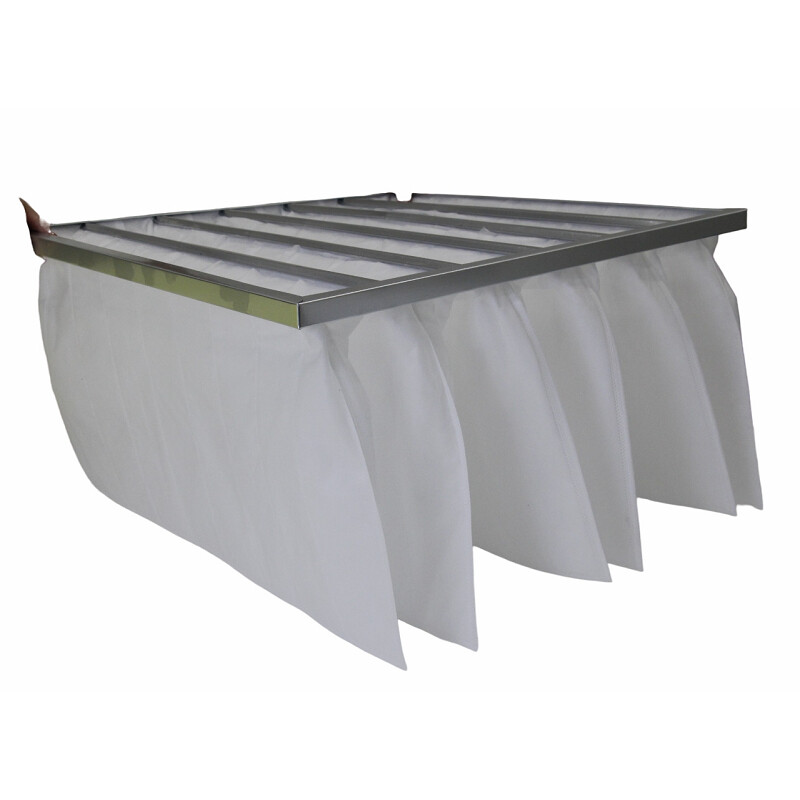
Air purification and ventilation are often confused with each other, but they have very different impacts on the air quality within your home. In the simplest terms, air purification cleans and reuses the same air, while air ventilation pushes the old air out and brings clean, fresh air in.
Consumers are becoming more conscious of their indoor air, and recent events are only intensifying their concern over what they breathe at home. As consumers work with their builders or self-install air solutions in their own homes, it is important they are clear on the distinction between purification and ventilation to make the best decisions for their indoor air needs.
Air Purification
Air purification, or filtration, is the process of removing particulates from the air. Particulates include things like allergens, car exhaust and combustion fumes. Air purification cleans and recirculates the air that is present but does not introduce new air into the home. It is also not able to help with unhealthy gasses and finer particulates which are too small for many filters to capture. There are many stand-alone options for air purifiers as well as a variety of filters that are compatible with HVAC systems.
Air Ventilation
Ventilation is a breath of fresh air — literally. Air ventilation pulls stale, polluted air out and brings fresh, filtered air in. With ventilation, there are two categories:
Spot (local) Ventilation
Spot ventilation pulls polluted air out of a specific area of your home making room for fresh air. In this case, we’re speaking specifically about bath fans and kitchen range hoods with an exterior exhaust. Bathrooms and kitchens produce a high amount of air pollution from humidity (showers, boiling water, steam) and cooking fumes (sizzling bacon grease, oven smoke, gas range fumes).
Spot ventilation in those areas helps pull out the humidity and fumes from the air before it is circulated throughout the rest of the house. By taking that polluted air out of the home, it depressurizes the house and makes room for fresh air to make its way in.
Whole-Home Ventilation
Fresh Air SystemWhole-home ventilation works in a similar manner as spot ventilation, but – you guessed it – constantly removes old air and brings in fresh air for the entire home. Homes today are built tighter with more efficient sealing, so there is less fresh air naturally coming in through small gaps and cracks. Whole-home ventilation solves for that by cycling in new air consistently and efficiently.
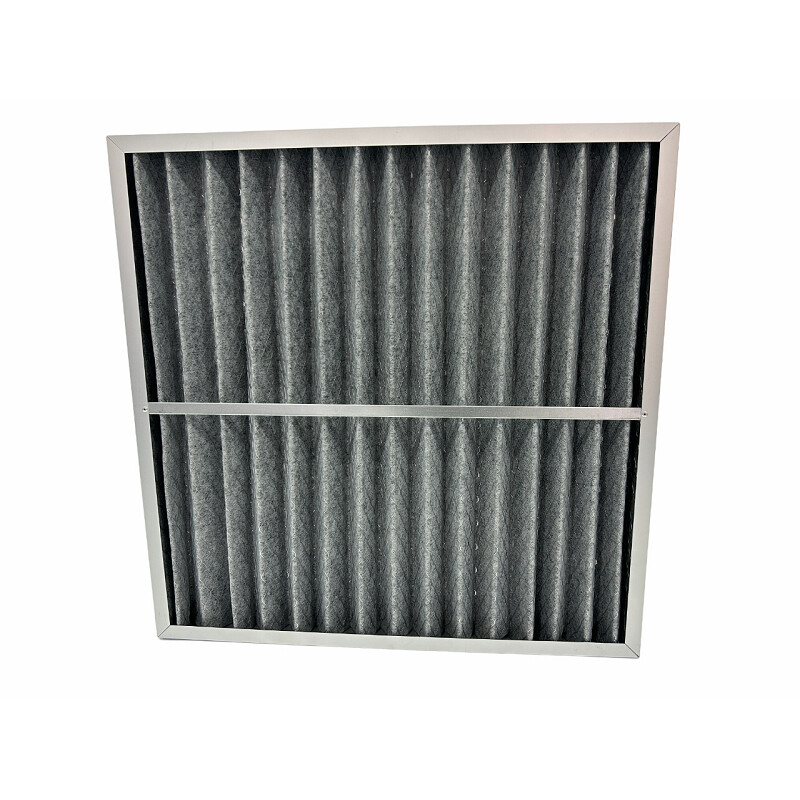
The three standard types of filters are:
G4 – coarse filter
M5 – medium filter
F7 – fine filter
The finer the filter, the more and smaller particles it will filter from the air. However, a finer filter means that the ventilation system has to work harder to transport air through the system.
That means you should not choose a finer filter than you need.
Exhaust air does not need more than a G4 filter, since the air indoors has already been cleaned once, which is enough to keep the ventilation system’s inner workings clean.
You should choose either a G4, M5 or F7 for intake air. So, what is the difference between the 3
G4 only removes dust particles that are big enough to be seen with the naked eye. A finer filter that also filters out smaller particles would probably be a better choice for most households. For example, pollen, asphalt particles and smoke from wood stoves that you would rather not let into the house.
M5 suits most people’s needs, but if you need to filter the air even more, perhaps due to allergies, you can choose an F7 filter instead. You can also particularly order even finer filters.
Size of particles removed by filters
What is the role of air filtration in ventilation systems
Regarding the current Coronavirus situation, we have gathered some frequently asked questions on how air filtration units in ventilation systems can help to create a safe indoor climate and to prevent the spreading of viruses.
The main task of ventilation in buildings is to supply fresh air to closed spaces inside buildings and to exhaust old and used air from closed spaces. In this way, we supply the demanded quantity of fresh air with a sufficient quantity of oxygen needed for breathing. The rest of the supplied air is needed for removing volatile organic compounds (VOCs), CO2 and other emissions from closed spaces.
Air filtration in ventilation systems is a mechanical method of removing solid and liquid particles. There are several levels of air filtration for different sized particles: from larger particles as flies, leaves, medium sized particles like dust or pollen, to very small-sized like water mist, droplets and combustion particles on which micro-organisms and viruses can travel through the air. The latter can be filtered out by HEPA and ULPA air filter systems which retain also very small particles, such as viruses and remove them from the air supply or air recirculation. Air filtration within ventilation systems is crucial for providing clean air. That is why in all surgical rooms inside hospitals and pharmaceutical plants, for example, high efficiency filters are part of the ventilation system as standard for at least 50 years.
Air filtration can remove all undesired particles in the ventilation system which might be harmful for living beings, especially for those who already have respiratory or chronic issues. With the increasing levels of outdoor air pollution, air filtration in buildings is gaining importance. It is expected, that in near future more and more air filtration systems will be used, including recirculation units which will also remove CO2. HEPA and ULPA air filtration systems are state of the art technology for cleaning the air.
How to Clean an Air Filter
Turn Off the Power and Locate the Filter
Before you begin, turn off your HVAC unit to prevent unfiltered air from circulating around your home while cleaning. Locate the vent and use a screwdriver to open the unit. Some systems might include multiple vents containing a filter, so be sure to wash them all. Remove the filter and inspect it for damage. Replace the filter if necessary; otherwise, continue to vacuuming.
Vacuum the Air Filter
Take the filter outside if possible to avoid stirring up dust inside your home. Use a vacuum with a soft brush attachment to remove debris from the filter. Run the brush across the filter to gently loosen stuck-on buildup.
How to Clean a Window AC Unit to Keep It Running All Summer Long
Wash the Filter with Vinegar and Water
If your air filter requires deeper cleaning, fill your sink or a large bucket with a mixture of equal parts hot water and distilled white vinegar. Let the filter soak for approximately one hour, then rinse with clean water. If the filter is too large to fit inside a sink or bucket, use a garden hose to wash it off, letting the water run through the filter in the opposite direction of the airflow. Use a low-pressure setting to avoid damaging the filter.
Let Dry and Replace
Let the filter air-dry entirely before replacing it. This helps prevent mold growth within your HVAC system. Reload the filter inside the unit, ensuring it's facing the right direction for proper airflow. Most filters feature arrow markings that indicate the correct placement; these arrows should typically point toward the furnace in the direction of the airflow. Replace the vents and turn the unit back on.
Replace Air Filters When Needed
Cleaning your home's air filters will only get you so far. If the filter is excessively dirty, torn, or otherwise damaged, it's time to replace it. You should also note that disposable air filters (which are typically set in a cardboard frame) are generally not meant to be cleaned and should be replaced when they become dirty. Cleaning works best with reusable filters, like this washable electrostatic furnace and AC filter.
Clean the Area Around the Filter
Keeping the area around the system clean is the first line of defense in air filter maintenance. When going about your cleaning routine, vacuum or wipe down residual dust buildup on exterior panels of the system, both before and after replacing the filter. Establishing and maintaining this habit promotes filter longevity and functionality, allowing it to effectively combat unseen allergens and contaminants.
Properly Dispose of the Dirty Air Filter
While some air filters are washable, disposable air filters are the most efficient and effective at trapping smaller air particles. When changing the filter, bring a plastic bag to immediately put the dirty filter in. Gently handle the filter to prevent trapped particles from being released into the air and dispose of them in an outdoor waste bin.
Correctly Work with the Unit
The first step in changing the filter, for any unit, is to cut the system power. Follow the manufacturer’s directions and make sure the filter is properly installed to prevent gaps around the frame of the filter. Then turn on the unit and double-check that the filter is staying in place.
Follow Maintenance Alerts
A filter doesn’t have to look dirty to be dirty. Even if everything looks fine on sight, it’s important to stick to the recommended maintenance schedule or indicator light.
Keep Note of Changing Dates
Keep an ongoing record of the dates when you replaced the filter as a maintenance reminder. This practice not only helps keep track of when to change out the filter but also provides information on the system’s performance. If the periods between changes are irregularly short, there could be an issue with the unit or ventilation system.
Suzhou Huazhijie Purification Technology Co., Ltd., formerly Changshu Keling Filter Material Co., Ltd., was founded in 2012 and is now located in Buildings 7 and 8, No. 80, Wangxian Road, Dongbang Town, Changshu City, Suzhou.

FAQ
As one of the leading ventilation filter manufacturers and suppliers in China, we warmly welcome you to wholesale discount ventilation filter made in China here and get quotation from our factory. All our products are with high quality and competitive price.
non pleated coarse filter, ceiling air vent filters, bag ventilation filter