

Filter


The company's technical strength, sophisticated equipment and service-oriented can provide you with high-quality products, services and perfect solutions in the high-efficiency air purification industry!
Why Choose Us
Quality Assurance
In terms of quality assurance, the company strictly follows the standards and norms of the industry quality system. Adopt industry-leading testing equipment to ensure product quality and good reputation
Professional Service
We can accept factory inspection and goods inspection at any time. Technical discussion, research and development of new products, and complete after-sales service.
Attractive Design
Our design team will design patterns based on the latest fashion trends. We also collaborate with cutting-edge design companies to regularly launch new products.
One stop solution
From the begining inquiry and throughout the entire process until you receive the goods. we are dedicated to supporting you every step of the way.
What is Bag Filter
A baghouse, also known as a baghouse filter, bag filter, or fabric filter is an air pollution control device and dust collector that removes particulates or gas released from commercial processes out of the air.Power plants, steel mills, pharmaceutical producers, food manufacturers, chemical producers and other industrial companies often use baghouses to control emission of air pollutants.
Key Factors for Bag Filter Efficiency
Bag filtration systems are essential in maintaining air and liquid quality in various industrial applications. To ensure the optimal performance of bag filters, it’s crucial to understand the key factors that contribute to their efficiency.
Filtration Velocity
The filtration velocity refers to the speed at which the air or liquid passes through the bag filter system. Higher filtration velocities can lead to reduced filter efficiency, while lower velocities can cause system pressure drop. It’s essential to maintain optimal filtration velocities by adjusting the filter size and cleaning mechanisms accordingly.
Filter Media Selection
The filter media plays a critical role in bag filter performance. It’s essential to select filter media that can trap the specific impurities present in the air or liquid stream effectively. Factors such as particle size, chemical composition, and operating conditions should be considered when choosing the filter media.
Operating Conditions
The operating conditions of the bag filter system can significantly impact its efficiency. Factors such as temperature, humidity, and air pressure can affect filter media permeability and cause system clogging. It’s crucial to monitor and maintain optimal operating conditions to ensure bag filter efficiency.
Regular Maintenance
Regular maintenance is key to extending the life and performance of bag filters. It’s important to follow proper cleaning procedures, replace worn-out filter bags, and monitor system performance regularly. Neglecting maintenance can cause an increase in energy consumption, clogging of the system, and a decrease in filtration efficiency.
Particle capture. The process begins with the suction of air containing dust and particles. The air passes through the filter bags, which are, as we have seen, made of high-performance materials that trap suspended particles.
Mechanical filtering. Larger particles are directly impacted on the sleeves, reducing their speed and causing them to fall due to the force of gravity. The filter bags, thanks to their porous structure, then capture the smallest particles through processes such as interception and direct impact.
Cleaning the sleeves. Over time, the sleeves accumulate dust. Periodic cleaning is essential to maintain consistent efficiency. For cleaning, Sorgato bag filters use automatic cleaning systems with compressed air pulses or blowing fans. These systems reverse the airflow, eliminating captured particles and restoring the device’s filtering capacity.
Dust collection. The removed particles are directed to a specially designed collection chamber. This space allows residual dust to be easily collected, keeping the bag filter efficient in the long run. The dust collected in this way can then be disposed of by means of special bags or big-boxes, or transported pneumatically to a subsequent compaction phase by means of an additional filter (bag or cyclonic) and a briquetting machine.
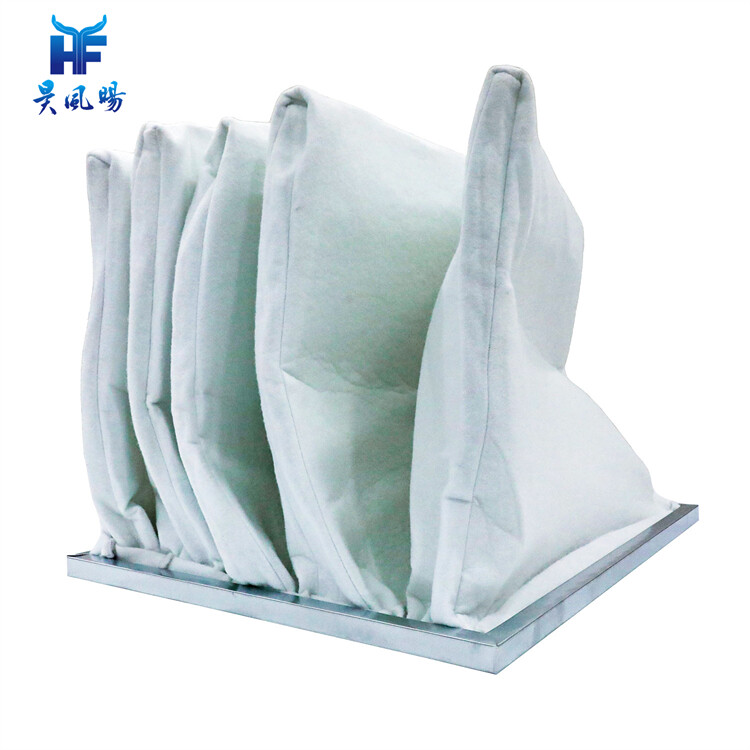
Bag Filter Operating points
Bag filter operation can be divided into trial operation and daily operation. First of all, during the test run, a single part of the system must be inspected, then adapted for operation, and a partial performance test must be performed. In the daily operation, the necessary inspections should be carried out, especially the performance of the bag filter. Pay attention to the impact of changes in host equipment load on the performance of the filter. After the machine is started, it is necessary to pay close attention to the working conditions of the bag filter and make a good record.
Commissioning: In the commissioning of the new bag filter, special attention should be paid to checking the following points:
(1) Fan rotation direction, rotation speed, bearing vibration and temperature.
(2) Whether the processing air volume and the pressure and temperature of each test point are consistent with the design.
(3) The installation condition of the filter bag is determined by whether the bag is dropped, loosened or worn after use.
(4) It should be noted whether there is condensation in the bag room and whether the ash discharge system is unblocked. Prevents blockages and corrosion from occurring. Accumulation of dust can affect the production of the mainframe.
(5) Adjustment of cleaning cycle and cleaning time. This work is an important factor in the dust collection performance and operating conditions. If the cleaning time is too long, the attached dust layer will be washed off and become the cause of leakage and damage of the filter bag. If the cleaning time is too short, the dust on the filter bag has not been cleared, and the filtering operation will resume. This will quickly restore the resistance and gradually increase it, ultimately affecting its use.
(6) The interval between cleanings of two ashes is called the ash cleaning cycle. Generally, it is desired that the cleaning cycle be as long as possible so that the precipitator can operate under economical resistance conditions. Therefore, we must carefully study the nature of dust, dust concentration, etc., and according to different cleaning methods to determine the cleaning cycle and time, and adjust the test run to achieve better cleaning parameters.
(7) At the beginning of operation, some unexpected situations often occur. For example, abnormal temperature, pressure, moisture, etc. will damage the new device. Rapid changes in the gas temperature will cause the fan shaft to deform, causing an imbalance, and vibration will occur during operation. Once the operation is stopped, the temperature drops sharply, and when it is restarted, vibration occurs again. It is best to use different types of fans depending on the gas temperature. The quality of the equipment commissioning will directly affect whether it can be put into normal operation. If improper handling is performed, the bag filter may soon lose its effectiveness. Therefore, the commissioning of the equipment must be careful and careful.
Pleated Pre Filter
What is Pleated Pre Filter
Pleated panel filters are panel filters in which the polyester material is neatly arranged in a uniformed pleat configuration inside the frame. This gives a larger surface area, which leads to higher dust holding capacity.
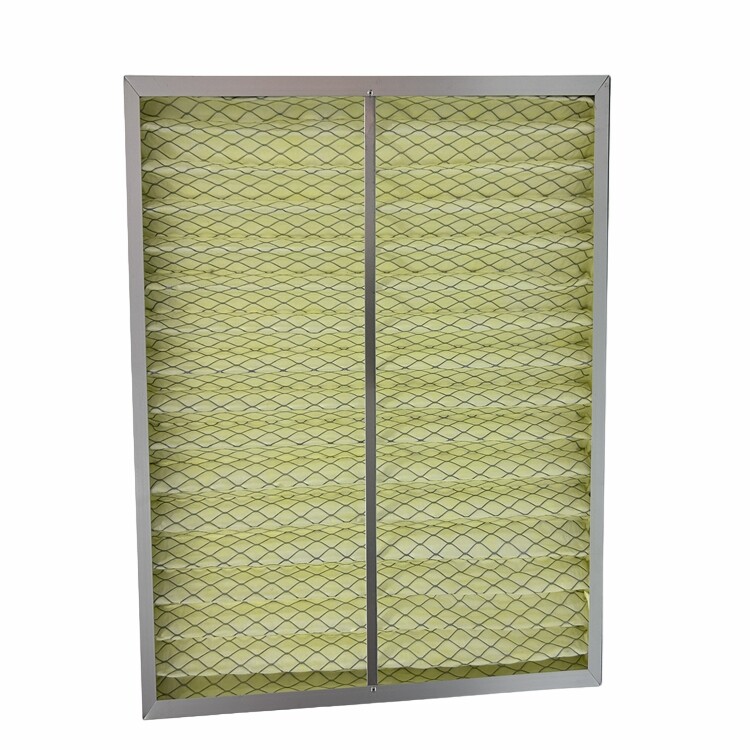
High indoor air quality – The non-shedding polyester material provides high indoor air quality, avoiding unwanted particles in filtered air that can sometimes occur with shedding media. With 50% more pleats, our pleated panel filters have increased dust holding capacity resulting in high quality, clean air.
Long service life – The larger surface area of our pleated panel filters offers a longer service life and reduces the need for costly panel changes in the unit.
Energy saving – With a larger dust holding capacity and lower pressure drop, our pleated panel filters have a high level of efficiency over the service life.lowers the level of direct energy needed to run the units and reduces CO₂ emissions and running costs.
Tested – All our pleated panel filters are tested to EN779:2012 standard and are fire retardant according to DIN53438-3(F1), so you can be confident that they meet industry safety standards.
Filters can be confusing with all the terminology that gets tossed around. Pleated is something you will hear often when referring to a furnace, ac or HVAC filter. You might also hear the term pre-pleat or pre-filter.
Pleated filters are most commonly made from either polyester or cotton paper. Most of the pleated filters we sell are made with 100% synthetic non-woven, proprietary media, with low initial resistance and high dust-holding capacity which combine to provide an extended life cycle and energy-efficient performance. Pleated filters are the most popular option for removing small particles and improving air quality. Pleated filters have MERV ratings that range from MERV 8, MERV 10, MERV 11 and MERV 13. They should be replaced every 90 days on average.
So what is a pre-pleat filter or pre-filter This term is commonly used in commercial applications where there might be a pre-filter that acts as a first line of defense before another filter like a commercial HEPA filter commonly found in hospitals and other commercial applications where air quality is of extreme importance. A pleated filter and a pre-pleat are the same thing it's just more common to use the term pre-pleat or pre-filter in a commercial application.
Ahu Filter
What is Ahu Filter
An AHU filter is a crucial component within an Air Handling Unit (AHU). AHUs are the workhorses behind heating, ventilation, and air conditioning (HVAC) systems in many buildings, responsible for treating and circulating air. The AHU filter acts as the air’s first line of defense, safeguarding indoor air quality.
How to Get the Most Out of Your Air Purifier
Clean or replace filters regularly. An air purifier can’t run efficiently if it has a dirty filter. Typically, you should replace filters (or clean those that can be vacuumed) every six to 12 months for pleated filters and every three months for activated carbon filters.
Place it wisely. If you have just one unit, put it in the room where you spend the most time. For most people, that’s the bedroom. (Some units can be heavy and clunky to move around, so if you want an air purifier in multiple rooms, you may want to buy a unit for each room.) Make sure to place the air purifier in a spot where nothing can obstruct airflow—away from curtains, for instance.
Adjust the speed. To avoid noise disruptions, we suggest running the unit on its high-speed setting when you’re not in the room and turning it down to low when you’re nearby. Or buy an air purifier certified for a larger area so that you can run it on a low speed and still have it work effectively.
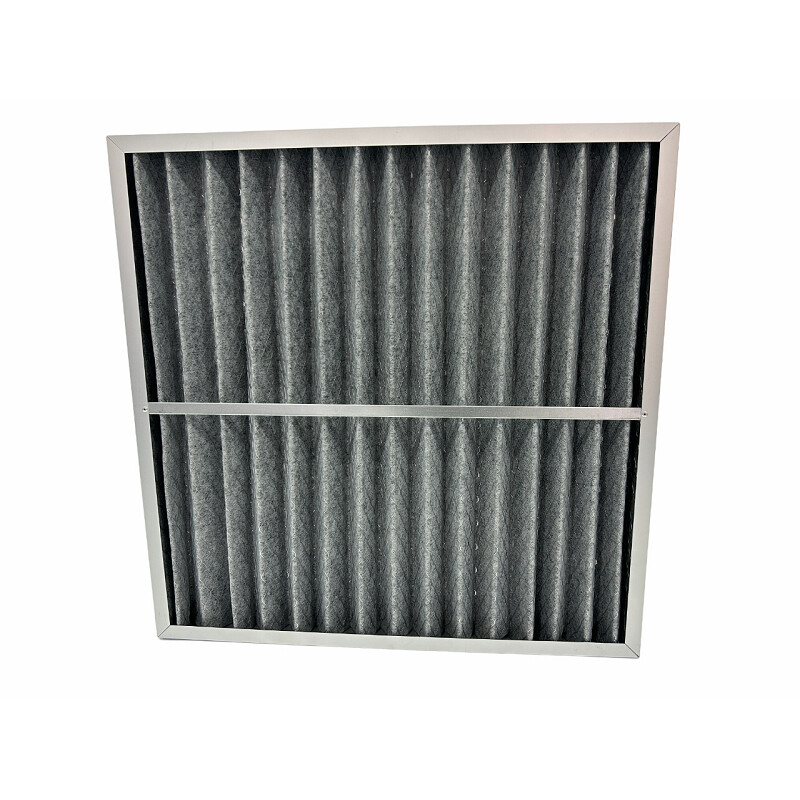
What is the function of an air handling unit
The AHU is normally a large metal box which connects to the ductwork that channels conditioned air throughout a building and returns it back to the AHU. Inside this large metal box there are a number of ventilators with different jobs to do.
AHU’s supply fresh air to the room. The units take air from the outside, filter it and recondition it (cooled by a cooling coil or heated by a heating coil).
Where hygienic needs for air quality are lower, the air from the rooms can be re-circulated for energy saving purposes. The AHU is usually fitted with a cooling/heat exchanger for increasing capacity and energy saving.
How Often to Change an Air Filter and Why It’s Important
The answer to how often to change an AC air filter depends on a couple of different factors, the type of filter and how much air is flowing through the system. Generally, it’s recommended to change the filter once every 1-3 months.
If you live in an area with a particularly dusty or smoky climate, or an area where other volatile organic compounds are frequently in the air, you may need to change the filter more often. It’s also important to inspect your filter monthly and replace it when it gets excessively dirty or clogged.
Changing your air filter on a regular basis gives you a healthy air quality in your home. It can also help keep your AC system functioning efficiently and extend it’s life in the long run. Clogged or damaged air filters not only lead to indoor air pollutants in your home, but they can also restrict airflow, which can cause the system to be overworked. This can lead to expensive repair costs, increased energy bills, and reduced efficiency in cooling and heating.
Suzhou Huazhijie Purification Technology Co., Ltd., formerly Changshu Keling Filter Material Co., Ltd., was founded in 2012 and is now located in Buildings 7 and 8, No. 80, Wangxian Road, Dongbang Town, Changshu City, Suzhou.

FAQ
As one of the leading filter manufacturers and suppliers in China, we warmly welcome you to wholesale discount filter made in China here and get quotation from our factory. All our products are with high quality and competitive price.