

Ahu Filter


The company's technical strength, sophisticated equipment and service-oriented can provide you with high-quality products, services and perfect solutions in the high-efficiency air purification industry!
Why Choose Us
Quality Assurance
In terms of quality assurance, the company strictly follows the standards and norms of the industry quality system. Adopt industry-leading testing equipment to ensure product quality and good reputation
Professional Service
We can accept factory inspection and goods inspection at any time. Technical discussion, research and development of new products, and complete after-sales service.
Attractive Design
Our design team will design patterns based on the latest fashion trends. We also collaborate with cutting-edge design companies to regularly launch new products.
One stop solution
From the begining inquiry and throughout the entire process until you receive the goods. we are dedicated to supporting you every step of the way.
What is Ahu Filter
Air handling unit (AHU) filters are a crucial part of any AHU and without them, the air quality in many indoor environments would be seriously compromised. An AHU is used to renew the air through a ventilation and air conditioning system installed within a range of buildings, such as offices, workshops, or warehouses.
Benefits of Ahu Filter
Health and Safety
By removing airborne particles and VOCs, AHU filters help maintain a healthier indoor environment for employees. This reduces the risk of respiratory problems and other health issues associated with exposure to contaminants.
Product Quality
Airborne particles and VOCs can contaminate products during manufacturing. AHU filters ensure that the manufacturing process remains uncontaminated, leading to higher product quality and fewer defects.
Regulatory Compliance
Many manufacturing industries are subject to strict air quality regulations. AHU filters assist in meeting these compliance standards by reducing emissions and maintaining air quality within acceptable limits.
Energy Efficiency
Well-maintained AHU filters contribute to energy efficiency by keeping the HVAC system running smoothly. Improved system performance can lead to reduced energy consumption and lower operational costs.
How do you select filters for your AHU
This depends on where and how the AHU will be used. For example, the air pollution in a manufacturing facility is going to contain different size particles to that of residential homes. Today’s urban air quality is polluted by smaller particles and gases that are generated from outdoor pollutants, i.e., from diesel and combustion engines. This means that the air filter selected needs to be able to remove the smaller particle sizes, as well as fungal and bacterial spores, to provide better indoor air quality.
Manufacturing industries usually require a different type of AHU filter to hospitals, for example, because of the type and size of the particles that need to be removed from the air.
You will also need to consider the efficiency rating of the filter.
The effectiveness of a filter is measured according to standard ISO 16890. Generally, filters can trap particles ranging in size from 10 microns down to 0.3 microns.
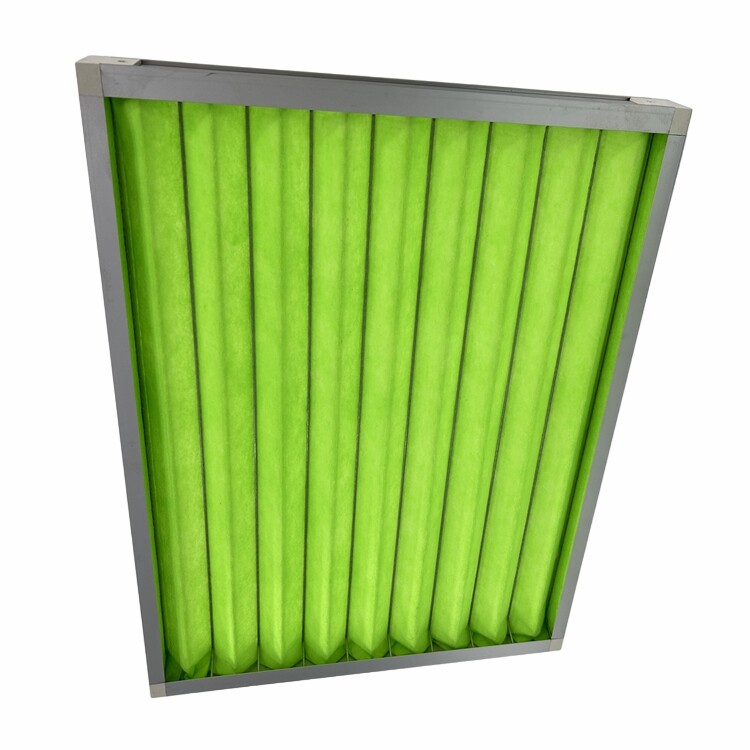
Understanding AHU Filter Cleaning Machines
AHU filter cleaning machines are the unsung heroes of ventilation systems. They are responsible for maintaining the cleanliness and efficiency of air filters within an HVAC (Heating, Ventilation, and Air Conditioning) system. Let's dive into how they work
Filtration Stage: The process begins with the AHU filter cleaning machine's filtration stage. Air from the surrounding environment, which may contain dust, pollen, allergens, and other contaminants, is drawn into the system.
Pre-Filter: Before the air reaches the main filter, it passes through a pre-filter. This pre-filter is designed to capture larger particles like dust and debris, preventing them from reaching the primary filter. This initial step helps extend the lifespan of the main filter and ensures optimal performance.
The Main Filter: The heart of the AHU filter cleaning machine is its primary filter. This filter is typically made of high-quality materials designed to trap even the tiniest particles, including bacteria, viruses, and allergens. As air passes through the main filter, these contaminants are effectively captured, leaving the air cleaner and safer to breathe.
Automatic Cleaning Mechanism: To ensure the longevity and efficiency of the main filter, AHU filter cleaning machines are equipped with an automatic cleaning mechanism. This mechanism typically involves the use of compressed air or vibration to dislodge trapped particles from the filter's surface.
Compressed Air: Some machines use bursts of compressed air to create a reverse flow through the filter. This dislodges particles and forces them into a collection bin for later disposal.
Vibration: Others rely on a vibrating mechanism to shake loose particles from the filter's surface, allowing them to fall into a collection area.
Collection and Disposal: Once the contaminants have been removed from the filter, they are collected in a designated area within the AHU filter cleaning machine. Depending on the system's design, the collected waste may be automatically disposed of or require manual removal and disposal.
Panel filters
These are disposable, flat filters made of fiberglass or similar materials. They are the least efficient but also the most affordable option. They are typically used in residential applications or pre-filters to capture larger particles and extend the life of higher-efficiency filters downstream.
Pleated filters
These filters have pleated media to increase the surface area for capturing dust, mold spores, and pet dander. They are more efficient than flat filters but also more expensive. Pleated filters are rated according to the Minimum Efficiency Reporting Value (MERV) system, with higher MERV numbers indicating greater efficiency.
Bag filters
These are deep pleated filters that resemble bags and offer higher efficiency than standard pleated filters. They are often used as secondary filters to capture finer particles like pollen and bacteria. Bag filters are less common than pleated filters but can be a good option for capturing large amounts of contaminants.
HEPA (High-Efficiency Particulate Air) filters
These filters are highly efficient and can trap at least 99.97% of particles down to 0.3 microns. They are ideal for applications requiring very clean air, such as hospitals and cleanrooms. HEPA filters are also rated according to their efficiency, but unlike MERV ratings, there is a binary pass/fail system for HEPA certification.
Carbon filters
These filters are used to remove odors and gaseous contaminants from the air. They are often used in conjunction with other types of filters for comprehensive air quality control. Carbon filters typically contain activated carbon, a material with a large surface area that can adsorb gaseous contaminants.
Maintenance Tips for AHU Longevity
Regular Inspections: Schedule routine visual inspections to identify signs of wear, corrosion, leaks, or any visible issues that might compromise performance.
Cleaning and Filter Replacement: Clean or replace filters on a regular basis to prevent the build-up of dirt and contaminants that can impede airflow and strain the system.
Lubrication: Keep bearings, motors, and moving parts well-lubricated as per manufacturer guidelines to prevent friction and extend component life.
Condensate Drain Maintenance: Regularly inspect and clean condensate drain lines to prevent blockages that could lead to water damage or mould growth.
Belt and Pulley Maintenance: Check and adjust belts and pulleys as needed to maintain proper tension and prevent wear.
Electrical Components: Inspect and tighten electrical connections, replace damaged wiring, and ensure all electrical components are functioning as intended.
Fan and Motor Maintenance: Clean fan blades, inspect for balance issues, and ensure motors are running smoothly.
Coil Cleaning: Regularly clean evaporator and condenser coils to optimise heat transfer efficiency.
Seal and Gasket Inspection: Check seals and gaskets for signs of wear, ensuring that there are no air leaks that can compromise efficiency.
Professional Maintenance: While some maintenance tasks can be done in-house, regular professional maintenance is essential. Trained technicians can identify and address potential issues before they escalate.
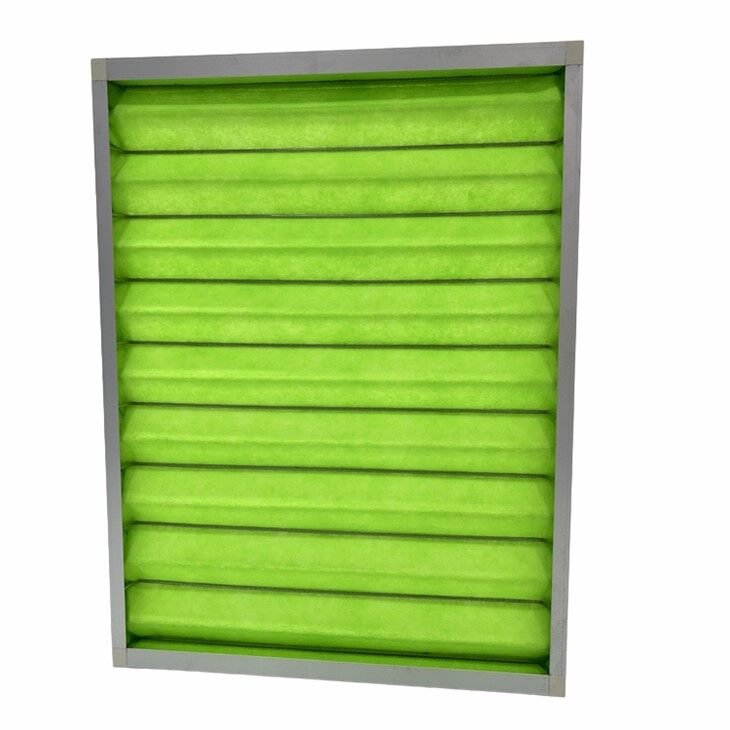
How to Replace Air Filters
Your maintenance schedule may require you to replace all disposable filters. Regular air filter replacement ensures consistency and reduces unscheduled maintenance. Filter replacement typically involves the following steps.
Turn Off the HVAC System
As with air filter cleaning, switch off your HVAC system before performing maintenance.
Determine Filter Size
Refer to your system instruction guide for filter specifications. Filters also usually have the dimensions printed on them, which you can note when you remove them.
Remove the Old Filter
Take out the old filter and take note of its position in the slot. An improperly positioned air filter can impact HVAC performance. Properly dispose of used filters.
Clean the Filter Slot
Remove any debris and dust from the filter slot with a damp rag. Ensure the surrounding chamber and vents are also clean, if accessible.
Install the New Filter
Position the new filter into the appropriate slot, ensuring it’s securely in place. Directional arrows on the filter indicate airflow to help you face it properly within the slot.
Verify the Seal
Make sure the filter fits snugly in place and forms a proper seal within the slot. A snug fit prevents air from bypassing the filter.
Turn On HVAC System
Reactivate the heating or cooling system once the new filter is properly in place. Listen for indications of performance issues.
Today’s modern buildings feature complex designs with diverse spaces dedicated to different functions, making it challenging to ensure proper ventilation and air quality throughout. HVAC systems are the first line of defense in removing and diluting airborne pollutants.
Central to the systems are air handling units (AHUs), which process and circulate clean air back into the building through a network of ducts. Commonly positioned on rooftops, AHUs draw in outdoor air, filtering contaminants before redistribution. They have a direct impact on indoor air quality and the HVAC system’s lifespan by keeping equipment clean.
Central to the systems are the air handling units (AHU) which contain equipment such as cooling coils or heating elements that condition the air for temperature and humidity. A certain percentage of outdoor air is mixed with the recirculated indoor air to maintain a regular supply of fresh air. Powerful fans then direct the air mixture through filters for contaminant removal and then throughout the building within a network of ducts.
MERV (minimum efficiency reporting values) indicates a filter’s effectiveness at trapping particles between 0.3 to 10 microns in size. This rating, established by ASHRAE Standard 52.2, aids in selecting the appropriate filter for specific filtration need. ISO has introduced a filter standard as well, known as ISO16890. This standard relies on particle sizes classified into PM1, PM2.5, and PM10.
Understanding Air Handling Unit Components
Blower: The blower is the primary component of the AHU responsible for circulating the air through the system. It is typically an electric motor-driven centrifugal fan or a belt-driven axial fan. The blower pulls in air from the outside and pushes it through the filters, heating or cooling coils, and dampers before sending it to the ductwork.
Heating and Cooling Coils: The heating and cooling coils are responsible for changing the temperature of the air passing through the AHU. The coils can be made of copper or aluminium and are usually filled with a refrigerant or heated by a hot water or steam coil. The refrigerant coils absorb heat from the air passing over them to cool the air, while the hot water or steam coil heats the air.
Filters: The filters are an essential component of the AHU and are designed to remove airborne particles such as dust, pollen, and other pollutants from the air. They are typically made of synthetic fibre materials such as fibreglass, polyester, or pleated paper. The filters need to be regularly replaced to maintain their effectiveness.
Humidifier/Dehumidifier: A humidifier or dehumidifier can be added to the AHU to control the moisture content of the air. A humidifier adds moisture to the air by using steam or a misting mechanism, while a dehumidifier removes moisture from the air by condensing it onto a cold coil.
Dampers: Dampers are used to control the flow of air through the AHU and the ductwork. They can be adjusted to control the temperature and humidity levels of different areas of the building. The dampers can be manually or automatically controlled.
Mixing Chamber: The mixing chamber is a section of the AHU where the outside air and return air are mixed before being sent through the filters and heating or cooling coils. The mixing chamber ensures that the air is properly conditioned before being circulated throughout the building.
Sensors and Controls: The AHU is equipped with sensors that monitor the temperature, humidity, and pressure of the air. The sensors send signals to the control panel, which adjusts the blower speed, heating and cooling coils, and dampers to maintain the desired conditions. The controls can be set manually or programmed to automatically adjust based on pre-set conditions.
Sound Attenuator: The sound attenuator is a component that reduces the noise produced by the AHU as it circulates air through the building. It comprises acoustic insulation materials and baffles that absorb and deflect sound waves. The sound attenuator is an essential component in areas where noise levels need to be kept to a minimum, such as hospitals or recording studios.
Suzhou Huazhijie Purification Technology Co., Ltd., formerly Changshu Keling Filter Material Co., Ltd., was founded in 2012 and is now located in Buildings 7 and 8, No. 80, Wangxian Road, Dongbang Town, Changshu City, Suzhou.

FAQ
As one of the leading ahu filter manufacturers and suppliers in China, we warmly welcome you to wholesale discount ahu filter made in China here and get quotation from our factory. All our products are with high quality and competitive price.
bag ahu filter, ahu panel filter, box ahu filter