

HVAC Air Filter


The company's technical strength, sophisticated equipment and service-oriented can provide you with high-quality products, services and perfect solutions in the high-efficiency air purification industry!
Why Choose Us
Quality Assurance
In terms of quality assurance, the company strictly follows the standards and norms of the industry quality system. Adopt industry-leading testing equipment to ensure product quality and good reputation
Professional Service
We can accept factory inspection and goods inspection at any time. Technical discussion, research and development of new products, and complete after-sales service.
Attractive Design
Our design team will design patterns based on the latest fashion trends. We also collaborate with cutting-edge design companies to regularly launch new products.
One stop solution
From the begining inquiry and throughout the entire process until you receive the goods. we are dedicated to supporting you every step of the way.
What is HVAC Air Filter
The HVAC filters used in your home's heating and cooling system have an important job to do. They filter dust, pollen, pet dander, and other small particles out of the air that you and your family breathe. These particles are trapped in the filter to prevent them from being recirculated throughout your home.
Benefits of HVAC Air Filter
Air Quality
If your HVAC’s air filter is dirty, it can’t do its job effectively. Each filter has a certain capacity for how much debris and contaminants they can trap. Once it reaches it, the filter becomes clogged, and those pollutants will stay in the air and then blow back into your home. Changing the air filter regularly will help improve indoor air quality and keep it clean.
Energy Efficiency
When your HVAC air filter is dirty, it has to work harder to condition your air. That means it uses more power, which will cost you more money. Replacing it with a clean air filter can make your HVAC system more efficient and lead to a lower energy bill.
In addition to lower energy costs, an HVAC that’s energy efficient has less of an impact on the environment. Unless you have solar power, using more electricity means emitting more emissions and greenhouse gasses. Changing your conditioning system’s air filters can help lower your carbon footprint.
Health
Homes with poor indoor air quality aren’t just unpleasant; for some, they can be dangerous. People with allergies can suffer reactions from dust, pollen, or dander that dirty filters don’t pick up. Those with asthma may find their symptoms worsened or have more attacks due to poor indoor air quality.
Longevity
Changing your HVAC’s air filter does more than keep it energy-efficient; it also increases its lifespan. An air conditioning system that has to work harder will wear out faster than one that doesn’t have to work as hard. An HVAC is expensive to replace, and even if it’s only a marginal difference, you still don’t want to replace it any sooner than you have to.
Temperature Control
Another benefit of changing your HVAC’s air filters regularly is better temperature control. Since air can’t pass through dirty filters as effectively, it’s harder for the HVAC to cool or heat your home. Changing the filters makes it easier for the cooling system to control the temperature in your home, which makes you more comfortable and helps keep your HVAC efficient.
Prevent Mold
When it comes to your HVAC system, the last thing you want to find is mold. The filters remove mold spores from the indoor air, which prevents mold growth. If it gets too dirty, those spores can take root in your air ducts and lead to harmful mold and mildew. The filter itself may even harbor growth if it’s exposed to moisture or too much humidity. if you want to prevent mold from growing in your ducts or HVAC, a good step is to change the filter.
Safety
A big reason to change the filter in your HVAC system is safety; specifically, fire safety. When the filter is too dirty and the airflow gets restricted, the air flowing through your HVAC may get redirected. This can cause some parts of the system to overheat, and eventually ignite some form of flammable debris, which can lead to a fire in your home. The filter itself also becomes a fire hazard if it’s allowed to accumulate too much flammable buildup.
The 4 types of hvac air filters
Flat-Paneled Fiberglass Filters
When it comes to MERV ratings, this disposable type of HVAC filter is at the lowest end, meaning it’s not particularly effective at improving your indoor air quality despite being able to trap dust and debris. Due to its affordability, it’s a popular HVAC air filter choice.
Pleated Media Filter
The pleated media filter has a MERV rating between 5 and 13, meaning it can trap mold spores and pet dander. The pleats are designed to increase the filter’s surface area and increase its efficiency. It’s air filtration efficiency is still quite low, however, though it does provide less airflow resistance and can suppress fan noise.
HEPA Filter
HVAC replacement companies often recommend HEPA filters since they can provide the highest protection level when it comes to airborne particles. This type of filter is capable of capturing small microns, and also has a MERV rating between 17 and 20, meaning it can trap tobacco smoke and bacteria. However, installing it is no easy feat, as modifications from a contractor will likely be required for it to work with your HVAC system.
Reusable Air Filters
Reusable air filters can be washed for continued use, making a complete replacement unnecessary. However, they do have a low MERV rating (between 1 and 4) and can also attract mold and mildew growth if installed before completely dry.
Choosing the right air filter for your HVAC system is not a one-size-fits-all decision. It depends on a variety of factors, including the specific needs of your household or workplace, the type of HVAC system you have, and your budget.
One of the first things to consider is the size of the air filter. The size needed will depend on your specific HVAC system. Using the wrong size can lead to unfiltered air bypassing the filter and entering your system, which can lead to damage and decreased air quality.
The MERV rating is another important factor. As we’ve discussed, the MERV rating indicates how effectively a filter can trap particles. Higher MERV ratings mean better filtration, but they can also restrict airflow in systems not designed to handle them. It’s important to balance the need for clean air with the capabilities of your HVAC system.
Your specific needs also play a role. If you have pets, you may need a filter that’s good at trapping pet dander. If someone in your household has allergies or a respiratory condition, a HEPA filter may be the best choice, despite its higher cost.
Regular maintenance and replacement of your air filter are also crucial. Even the best air filter can only do its job if it’s kept clean and replaced regularly. A dirty or clogged filter can restrict airflow, reducing your system’s efficiency and potentially causing damage.
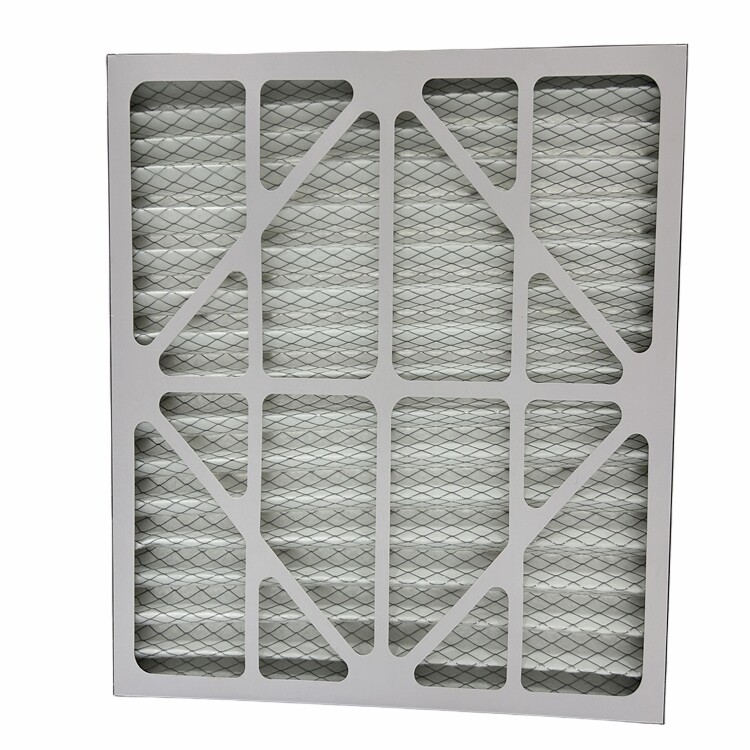
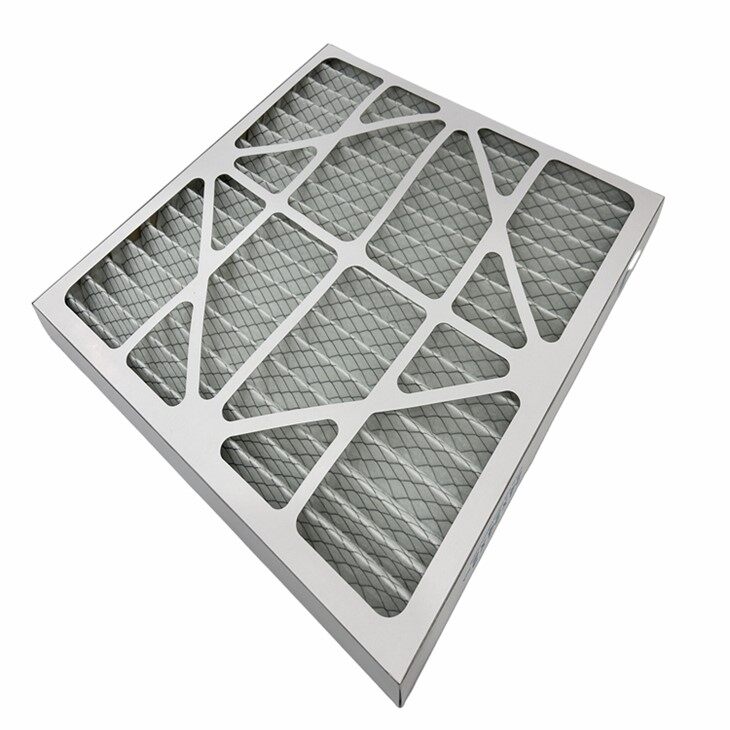
When selecting a furnace filter for use with your home’s HVAC system, the MERV rating must be considered. While you want to find a filter that offers effective contaminant removal that is capable of controlling common contaminants in your home, you must be aware of the limitations of your HVAC system’s equipment. It’s easy to conclude that everyone should use MERV 20 furnace filters at home because they are the best, but actually doing so can lead to serious problems.
The higher MERV rating a filter has, the smaller the pores are across the filter’s surface. Smaller pores give the filter the ability to capture smaller particles, but in turn, the filter’s makeup also creates airflow resistance. This means it is harder for air to circulate through the filter and into the HVAC unit.
Hindering airflow in the pursuit of superior air filtration is not wise. When heating and cooling equipment doesn’t receive adequate airflow, units can overheat, components can sustain damage and the systems can experience difficulties keeping your home at a comfortable temperature. the HVAC filters with higher MERV filter ratings aren’t necessarily the best choice for your home or HVAC system.
An air conditioning system has a filter to prevent dirt and debris from entering the unit and being blown into your indoor environment. The air conditioner sucks in air from your interior environment and removes the heat from it before releasing it back into the room. The return vent that sucks in air has a filter, which is the only thing standing between the clean air that enters the unit and the dirt and debris that was present in the air before it was sucked in.
Without a filter, there’s nothing to stop dust, pet dander and other debris from entering your home. Not all of that debris will get blown back into the air in the building. Some of it will get stuck and accumulate in the system.
When you allow cooling and heating systems to run without a filter, there are negative effects:
Higher energy use. If you notice a spike in your electric bills, check the HVAC filter before calling a professional. If it’s dirty, try cleaning it. It might be what’s causing the unit to use more energy than it’s supposed to.
A dirty filter forces the HVAC unit to work harder than normal because it becomes more difficult for it to suck in air. A unit that works too hard uses more energy and is more likely to break down prematurely.
Now imagine using an HVAC system without a filter. All the dirt and debris that is sure to accumulate in the unit will make it even harder for it to work, so it will need more energy to reach the temperature you set on the thermostat.
It’s also possible that the unit is already damaged, which is why it’s burning up more energy than it used to.
How Do I Change My HVAC Filter
Changing an HVAC air filter is quick and easy for most homes. All you have to do is slide out the old filter and slide the new one in. If you’re using an electrostatic filter, take it out and wash it, then slide it back in facing in the same direction. The most challenging part of changing your filter is setting up the ladder if your intake vents are in the ceiling.
Change your filter when the AC is on and running. If you’re teetering on a ladder, keeping your unit on will suction and hold the filter into place so you can safely close the intake vent cover and secure it.
Only use undamaged filters and watch for gaps around the frame. Gaps around the frame indicate that you bought the wrong size. Clean any residual dust on the vent with a rag. Create a calendar alert for the next time you need to change your filter. We recommend that you inspect your filter about once a month.
What types of HVAC Air Filters are there
First are your entry level filters. These are normally your thinner, one-inch filters you find in many box stores made of fiberglass material. They have a MERV rating between 6 and 8.
Next up are the mid-range filters.these will be thicker, 4-inch filters with higher CADR and MERV values. With mid-range filters expect a MERV rating around 10 to 12 and a CADR rating at 200 or more.
Although high-end furnace filters aren’t much larger than mid-range options they do come with more filtration. A high-end furnace filter will come with a MERV rating up to 16 and a CADR rating up to 1,200.
Lastly are electric filters. Even though they are less popular they can be very effective at cleaning the air with up to 700 CADR.electric filters are known to produce ozone so you’ll want to make sure they are within safe levels.the best versions keep ozone levels to negligible levels.
Carbon filters can also be added to an HVAC system to provide additional filtration from smoke, cooking odors and pets. you’ll want to be careful the insert doesn’t restrict too much airflow. Too much restricted airflow can result in increased static pressure which could lower the life of your HVAC system as a whole.
How do you replace HVAC Air Filters
1. Find the filter compartment. It’s usually between the return air duct and the furnace.
2. Open the filter compartment door.
3. Slide out the used filter and dispose of it.
4. Unwrap your new furnace filter and slide it into the filter compartment. Position it using the printed arrows on the frame as a guide.
5. Replace the filter compartment door.
Suzhou Huazhijie Purification Technology Co., Ltd., formerly Changshu Keling Filter Material Co., Ltd., was founded in 2012 and is now located in Buildings 7 and 8, No. 80, Wangxian Road, Dongbang Town, Changshu City, Suzhou.

FAQ
As one of the leading hvac or furnace filter manufacturers and suppliers in China, we warmly welcome you to wholesale discount hvac or furnace filter made in China here and get quotation from our factory. All our products are with high quality and competitive price.
non pleated air filters