

Pre Filter


The company's technical strength, sophisticated equipment and service-oriented can provide you with high-quality products, services and perfect solutions in the high-efficiency air purification industry!
Why Choose Us
Quality Assurance
In terms of quality assurance, the company strictly follows the standards and norms of the industry quality system. Adopt industry-leading testing equipment to ensure product quality and good reputation
Professional Service
We can accept factory inspection and goods inspection at any time. Technical discussion, research and development of new products, and complete after-sales service.
Attractive Design
Our design team will design patterns based on the latest fashion trends. We also collaborate with cutting-edge design companies to regularly launch new products.
One stop solution
From the begining inquiry and throughout the entire process until you receive the goods. we are dedicated to supporting you every step of the way.
What is Pre Filter
A pre-filter is an integral part of almost any air purifier that you see on the market. It's the first stage of filtration, and it essentially helps to capture large particles. This prolongs the life of your filter, and it makes your system much more efficient.
Benefits of Pre Filter
Enhanced Air Quality
By capturing larger particles, pre-filters contribute significantly to improving indoor air quality. This is particularly beneficial for individuals with allergies or respiratory conditions, as it reduces the presence of common allergens and irritants in the air.
Extended Filter Life
The presence of a pre-filter prolongs the lifespan of the secondary filter by preventing it from becoming clogged with larger debris. This not only saves on maintenance costs but also ensures consistent filtration efficiency over time.
Improved Energy Efficiency
A clean pre-filter allows air to flow more freely through the system, reducing strain on the fan and motor. This can lead to energy savings and increased HVAC system efficiency.
Cost-Effectiveness
Pre-filters are relatively inexpensive compared to main filters. By investing in a quality pre-filter, you can protect your secondary filter and extend its longevity, ultimately saving on replacement costs.
Types of Pre-filtration Methods
Strainers
Depending on the system type, fluid media conveyed, and filtration requirements, utilizing a strainer may be the correct first choice in line for pre-filtration. There are several key factors that will signify whether a strainer will be the appropriate pre-filter to use for a particular application. Strainers are designed to remove large particles, sediment, dirt, and debris before they can reach downstream filters, components, and equipment. strainers often have a low-pressure drop. This is an important factor for systems where constant flow or maintaining a minimum flow rate is required. Strainers are also cost-effective and have a simple and durable design making them a great choice for high-flow, high-pressure applications. An additional advantage of a strainer is its relative ease of maintenance. This helps to reduce maintenance costs and system downtime during regularly scheduled service.
Bag Filters
Bag filters are typically well-suited for pre-filter applications requiring high-volume fluid flow operations because of the large surface area design. The large surface area typically lends itself to a large dirt-holding capacity while not impeding the system flow which makes bag filters an excellent choice for high-flow and high-particulate applications. many bag filters, by the nature of their construction, ensure that the filter media has minimal contact with the fluid, which reduces contamination and media degradation. Bag filters are typically more cost-effective than other pre-filter methods for high-flow, high-particulate applications, making them an attractive option and budget-conscious solution.
Cartridge Filters
Cartridge filters are typically the pre-filter of choice for applications that require a high level of particulate removal. Cartridge filters have a high filtration efficiency when compared with other pre-filter methods. The finer filter media, which is a hallmark of cartridge filters, make cartridge filters a good solution for removing small particles and contaminants from the fluid stream. cartridge filters have a smaller footprint than other pre-filter methods which makes them a better choice for systems with limited space.
Every device we use needs regular servicing and cleaning in order to operate at peak efficiency. Particularly true are household items like RO water purifier filters that have changeable parts. These systems provide your home with safe drinking and cooking water and are increasingly a need.
Knowing the fundamentals of the membrane and filters, which are the best water purifiers for homes, is crucial to comprehending how to maintain them.80% of a water purifier's overall maintenance costs go toward changing the membrane and filters. However, there is something you should be aware of before we start.
The quality of the water that your water purifier filters determines how long its filters will last.it is preferable to do a drinking water quality test before examining the filter life. Here are some fundamental factors you ought to examine while evaluating the water quality.
Drinking water TDS level
Water purification capacity of any RO purifier
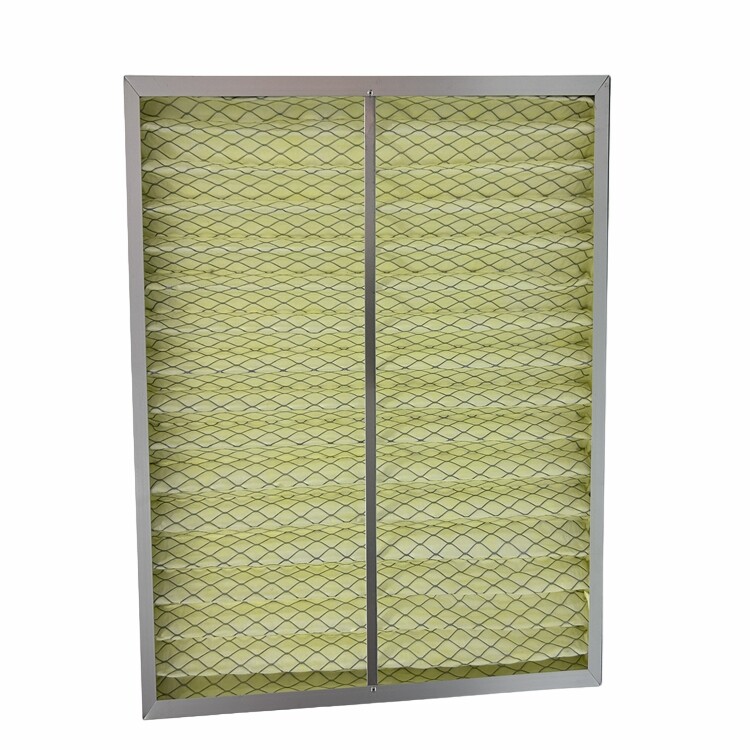
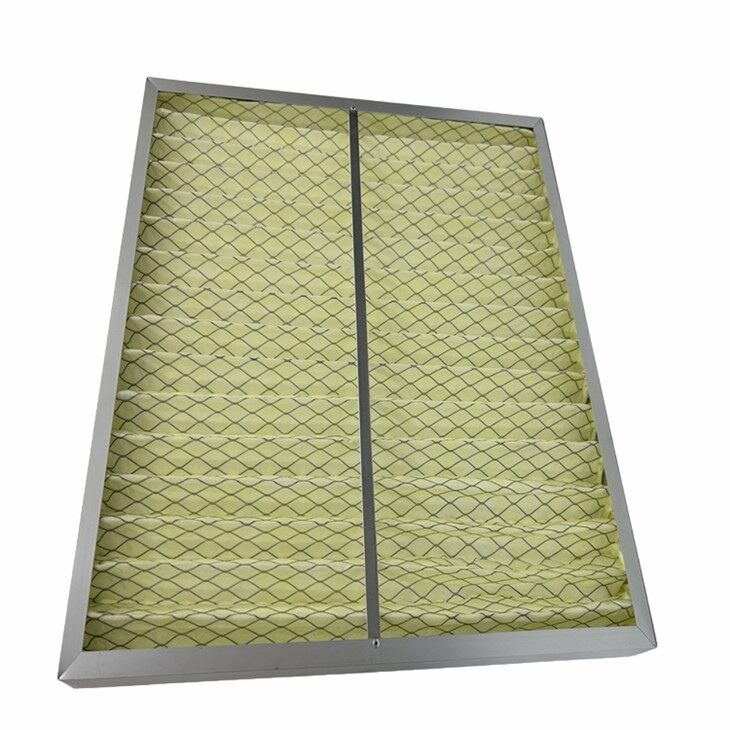
Pre-filter: Remove part of liquid water, lubricating oil and particles larger than 1μm in diameter. Whether it is an adsorption dryer or a refrigeration dryer, a pre-filter is required. Otherwise, once the rust and other particles on the pipeline are used in the evaporator, it will greatly reduce the working efficiency of the refrigeration dryer and even damage the evaporator.
Post filter: Remove the oil mist concentration in the compressed air to a higher standard, while removing particles larger than 0.01μm and oil content larger than 0.001ppm. Under normal conditions, the post filter discharges almost no liquid water. If so, the air-water separator or drain valve inside the dryer is faulty.
The pre-filter can initially filter and purify the compressed air, and can filter out a large amount of water, oil and larger particles, and at the same time play a protective role. Therefore, the pre-filter of the air compressor is to pre-process the compressed air, perform preliminary filtration, and filter out relatively large particles.
The post filter is more precise. When the compressed air enters the aftertreatment stage, substantially no liquid is discharged. If compressed air containing a lot of impurities is not protected by the pre-filter, it is supplied directly by the post-filter. During transportation, the gas-water separator and drain valve may be blocked or even damaged.
Air Filters Improve Efficiency and Reduce Equipment Wear
Do you like wasting energy and paying more than you need to heat and cool your home If the answer is no, then you'll want to replace your air filters regularly.
With less dirt and debris in the system, HVAC equipment runs more efficiently. The opposite is true if you have no air filter or the air filter is so dirty it's restricting airflow. When that happens parts like the fan motor will have to work harder, which means more electricity is consumed. The fan motor is also more likely to need repair.
Even if you're lucky enough to have great air quality inside without an air filter, your HVAC equipment still needs that layer of protection to work efficiently.
Common materials used for pre-filters
Polyester
Provides good filtration at low cost
01
Fiberglass
Durable material with reasonable efficiency for the price
02
Foam
Can trap large particles; some models are washable and reusable
03
Mesh screens
Allows high airflow while catching large debris
04
Pleated filters
Offer more surface area for higher particle capture than flat filters
05
When choosing a filter, of course there are financial considerations as well. How much does a high quality filter cost The cost really depends on which filter you choose, whether it is an original or an aftermarket, and the size of the filter. The higher the rating and the larger the size of the filter, the higher the price is going to be. not all filters come in standard sizes; you may not be able to find your exact measurement in the type of filter you want and you may have to have one custom made, in which case the price is usually a bit higher. even though high quality filters are a bit more expensive than the cheap fiberglass filters, they are well worth the money, both in providing higher quality air and in keeping your air system working properly.
No matter what type of filter you choose, however, there is one final consideration. Replacement is extremely important for high quality filters. Though some filters are made to last for several years, most filters last about three to five months and must be replaced for optimum performance of the filter. Replacement costs should be considered, as well, but replacement is definitely a necessity for proper functioning of the filter and the efficiency of your air system.
Suzhou Huazhijie Purification Technology Co., Ltd., formerly Changshu Keling Filter Material Co., Ltd., was founded in 2012 and is now located in Buildings 7 and 8, No. 80, Wangxian Road, Dongbang Town, Changshu City, Suzhou.

FAQ
As one of the leading pre filter manufacturers and suppliers in China, we warmly welcome you to wholesale discount pre filter made in China here and get quotation from our factory. All our products are with high quality and competitive price.
24x24x2 pre filter, pleated pre filter, non pleated pre filter